Why Senior Home Cleaning Is a Rewarding Career
The Growing Demand for Elderly Home Care
By 2030, one in five South Africans will be over 60. That shift creates real opportunities for cleaning jobs for elderly. This work offers independence and dignity to older clients.
I find deep satisfaction in this career! You build trust with families. You see the direct impact of your effort. The demand grows daily as more seniors choose to age in place.
Here is what makes this path stand out:
- Consistent work from repeat clients
- Flexible hours that suit your schedule
- Personal connection that enriches your day
Elderly home care needs reliable, patient people. The role rewards you with gratitude and steady income. It is a career worth exploring.
What Makes This Role Unique
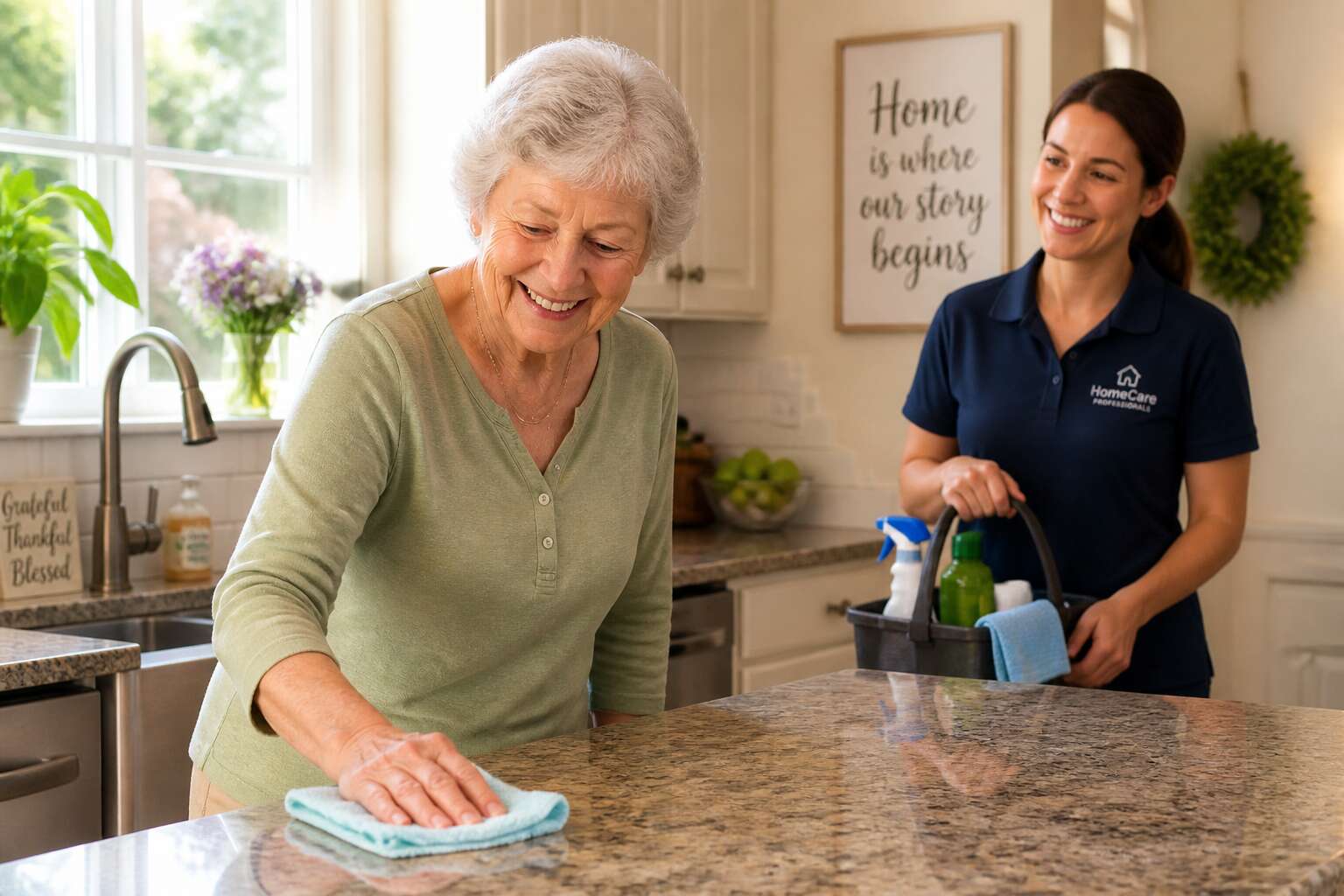
Watching Mrs. Ncube smile when she sees her polished kitchen is a moment no office job could replicate. Senior home cleaning lets you become a trusted presence in someone’s private world. You handle fragile heirlooms while listening to tales of a lifetime. This career turns routine dusting into a ritual of care.
What makes this role unique is the emotional intelligence it demands. You read moods. You know when to chat or when to work quietly. These cleaning jobs for elderly often involve meticulous attention to fragile items, but the deeper duty is preserving dignity.
- Rekindled patience
- A sense of purpose
- Genuine friendship across generations
Each home requires a different approach, and you adapt to it. That is rare. That is rewarding.
Personal Fulfillment and Career Growth
A 2023 survey of domestic workers in Gauteng found that 83% of seniors’ carers feel their work has meaning beyond income. That is not surprising. You spend your day in someone’s home, solving practical problems. You learn to spot a loose rug before it becomes a fall. You understand that a clean kitchen helps a person with dementia feel oriented.
Career growth in this field is real. Cleaning jobs for elderly can create a path to become a home care coordinator, a trainer, or an independent contractor. Many agencies promote from within because experienced cleaners understand client needs better than any manager.
- A general cleaner often moves into post-surgery homes.
- Short courses in first aid or dementia awareness become stepping stones.
- A personal client list allows independent rates after a year.
Core Responsibilities and Daily Tasks
Light Housekeeping and Organization
Most falls in the home happen because of clutter, not age. For those in cleaning jobs for elderly, light housekeeping is preventive care. It creates a safe, breathable living space where older adults can move without risk. Wiping counters and clearing pathways directly reduce hazards.
A typical day involves checking high-traffic areas and maintaining order.
- Making beds and fluffing pillows
- Washing and putting away dishes
- Sweeping high-traffic floors
- Sorting mail and newspapers
These small actions reduce clutter and keep the home functional. Organization is equally important; placing frequently used items within easy reach respects the client’s independence.
The work is consistent, but not rushed. Each home differs, so observation and gentle communication guide what needs attention. This is the quiet foundation that makes elderly care effective.
Deep Cleaning and Sanitization
Deep cleaning goes beyond the daily wipe down. This is where cleaning jobs for elderly turn into genuine health protection. Bathrooms and kitchens harbour the grime that surface cleaning misses. A thorough scrub of tiles, taps, and toilet bases removes the biofilm where bacteria multiply.
Sanitization targets high touch points: door handles, light switches, and remote controls. These get touched dozens of times a day, yet are the easiest to overlook. Using the right disinfectant matters, especially in homes where someone has a weakened immune system. In South Africa’s warmer climate, keeping surfaces dry after cleaning also limits mould growth.
Weekly deep cleans might include:
- Scrubbing shower walls and basins
- Degreasing stove tops and extractor fans
- Washing bins and replacing liners
- Wiping skirting boards and window sills
This work requires a system, not elbow grease alone. In cleaning jobs for elderly, a cleaner who moves top to bottom and left to right avoids recontaminating surfaces. That methodical approach separates professional care from casual tidying.
Laundry and Linen Care
Laundry for an elderly client is less about folding and more about preserving dignity. Stained shirts and soiled linens happen. A cleaner who handles these without fuss turns a mundane chore into a quiet act of respect. In South Africa, highveld thunderstorms arrive without warning, so pegging sheets indoors becomes an improvisation that separates seasoned pros from amateurs.
Daily tasks include:
- Checking bedding for incontinence or spills before washing
- Using gentle detergents for sensitive skin
- Ironing button-down shirts to keep them presentable
Linen care follows a system. Hot water kills mites, but elderly skin prefers cooler washes. Sunlight bleaches whites naturally and saves electricity. Cleaning jobs for elderly demand this balance. Another aspect is checking pillowcases for tears, and rotating towels to extend their life. These routines turn laundry into reliable care, which is why cleaning jobs for elderly remain in demand.
Meal Preparation and Kitchen Cleanup
Meal preparation for an elderly client is a daily negotiation with time and taste. Many older South Africans expect home-cooked meals, even when hands tremor or eyesight fails. A cleaner learns what each person can chew and swallow, and notices when the fridge holds only expired milk. This observation matters, because cleaning jobs for elderly often begin with a sponge and end with a warm plate.
Daily tasks include:
- Preparing soft meals that respect dentures
- Washing and peeling vegetables when arthritis makes gripping painful
- Clearing expired stock from fridges
- Wiping counters after each meal
Kitchen cleanup goes beyond surfaces. The sink needs scouring, the dish rack needs shaking, and the bin needs taking out before fruit flies arrive. Food scraps turn fast in highveld heat. Burnt-on residue takes patience and a sturdy scrubber. An elderly person sees a stained microwave and feels a loss of control. A genuinely clean kitchen lets them move through the day with less worry, which is why these tasks remain central to cleaning jobs for elderly.
Running Errands and Shopping Assistance
The shopping list becomes a map of trust. An elderly client may write it in shaky letters, or simply describe what they need. You learn which shop has the softest bread, which fruit vendor overcharges, and when the pension payout queue moves fastest. Running errands turns cleaning jobs for elderly into a daily lifeline.
- Collecting chronic medication from the clinic
- Queuing at the bank or post office for grants
- Checking prices against a fixed budget
- Carrying heavy parcels up steep driveways
Every errand requires patience. A client may change their mind at the till, or forget why they sent you. You bring back exact change and honest reports. This is why cleaning jobs for elderly demand more than a mop; they require a reliable pair of eyes and feet in a world that moves too fast for some.
Essential Skills and Qualities for Success
Compassion and Patience
Compassion and patience are essential qualities in cleaning jobs for elderly. I have observed how a slow pace reduces stress for older clients. Rushing through dusting or mopping creates anxiety. An attentive worker notices when someone needs extra time to move a chair. Another client might request the same window cleaned twice. Meeting these small requests defines success.
Cultivating these qualities requires:
- Empathy for physical limitations
- Calmness during repeated instructions
- Flexibility to alter routines without complaint
Without these skills, the work becomes mechanical. With them, the home feels safe and welcoming.
Attention to Detail
Attention to detail separates adequate cleaning from exceptional care. In cleaning jobs for elderly, a single overlooked obstacle can lead to a fall. I check corners, rugs, and thresholds with deliberation. Small changes in a home often reveal bigger needs. A shift in the reachable shelf or a damp towel on the bathroom floor tells me something important.
A careful worker notes these patterns without being asked. My method includes a quick mental checklist before I start cleaning. I also pay close attention to the client’s daily routines and preferences.
- The consistent placement of walking aids
- The condition of frequently touched surfaces
- Any new stains or discolorations in high traffic areas
These observations guide my actions. Over time, this attentiveness builds trust. For older clients, knowing their environment is understood brings genuine relief.
Physical Stamina and Flexibility
Physical stamina in cleaning jobs for elderly is not about lifting weights. It is about sustaining energy through a full shift of bending, reaching, and carrying supplies. Many homes in South Africa require stair climbing and floor scrubbing on knees. A cleaner who tires by midday cannot maintain safety standards.
Flexibility matters equally. Tasks change hour to hour. One moment you are wiping high shelves, the next you are kneeling to clean under a bed. The body must adapt without complaint. Some shifts involve:
- Moving furniture for thorough vacuuming
- Reaching behind appliances and fixtures
- Supporting clients while they move to another room
Each motion draws on different muscle groups. Building this capacity takes time. Those who last in cleaning jobs for elderly learn to pace themselves and read their own physical limits.
Effective Communication with Seniors and Families
Clear communication in cleaning jobs for elderly starts with listening. Older clients in South Africa often speak slowly, repeat themselves, or hesitate when asked direct questions. Short sentences and simple questions work better than long explanations. Give them time to answer without rushing.
Families expect practical updates. Tell them what you cleaned, where you placed items, and whether you noticed any safety concerns. A quick WhatsApp message after each shift prevents misunderstandings and shows that you pay attention. Confirm schedules and special requests before starting.
- Make eye contact before speaking
- Wait for a full response, even if silence feels long
- Repeat instructions back in your own words
Respect a client’s preferred level of conversation. Some want to chat about their day; others want quiet. Reading those cues is part of the job. These habits build trust, and trust is the foundation of successful placements in cleaning jobs for elderly.
Basic Safety and Emergency Response Knowledge
In cleaning jobs for elderly, the most valuable skill is often the ability to notice what remains unspoken. A home holds a rhythm, a sequence of small rituals that signal wellbeing. A skilled cleaner reads these patterns like a familiar map, detecting when a favourite chair has been unused or when a kettle has not been boiled in days. This acute observation blends naturally with the physical work of the job.
Flexibility matters just as much. An older client may have an off day, a doctor’s visit, or a change in medication that alters their routine. Adapting without complaint and reporting those shifts clearly to family members keeps everyone aligned. This is where basic safety expertise becomes essential. Knowing how to respond when something goes wrong separates a professional from a mere helper.
A simple post-it note or a laminated card near the phone can make the difference in a crisis. The protocol often looks like this:
1. Identify the emergency immediately, whether it is a fall, a burn, or a medical episode.
2. Call the relevant emergency number for the specific South African province.
3. Contact the family member listed on the emergency contact sheet.
4. Stay with the client, speak calmly, and do not move them unless there is immediate danger.
Prevention is equally important. Clear pathways, secure rugs, and properly stored cleaning supplies reduce risks before they occur. Checking that smoke detectors work and that bathrooms have grab bars are quiet tasks that carry immense weight. In cleaning jobs for elderly, a cleaner’s watchful eye often prevents the accident that never happens. This proactive mindset, paired with a genuine care for the client’s dignity, turns routine housekeeping into a true safety net. I have seen how a simple routine check for frayed cords or a loose handrail gives families real peace of mind. The work itself is straightforward; the attentiveness behind it is anything but.
Safety and Health Considerations
Preventing Slips, Trips, and Falls
The floor of an elderly person’s home can present a treacherous surface. A stray cable, a damp spot after dishwashing, a bunched up rug, all lead to slips and falls. South African statistics reveal that falls are the leading cause of injury among older adults, a fact central to cleaning jobs for elderly.
In my own experience, I have found that vigilance must be constant. I bend to inspect door thresholds. I check the corners where shadows meet baseboards. A simple habit of drying spilled water immediately prevents a hospital visit.
- Secure loose rugs with double sided tape
- Tuck away phone chargers and appliance cords
- Use a torch to identify uneven flooring in dim rooms
Every sweeping stroke and wiping motion in these spaces serves a dual purpose: cleanliness and the prevention of a catastrophic fall.
Safe Handling of Cleaning Chemicals
Chemical safety demands respect in any home, but cleaning jobs for elderly carry extra weight. Respiratory systems react poorly to strong fumes, and ageing skin grows thinner, making it vulnerable to splash burns. I check labels before mixing anything, since bleach and ammonia create toxic gases when combined.
Every cleaning session starts with preparation:
- Ventilate the room before opening any product
- Wear rubber gloves for solutions with hazard warnings
- Dilute concentrates according to manufacturer instructions
These habits form the backbone of professional cleaning jobs for elderly. South African households rely heavily on bleach based products, so careful dilution matters. I keep chemicals far from food preparation areas and never decant into unlabelled containers. When a client has dementia, locked cabinets prevent accidental exposure. Rinsing surfaces twice after applying disinfectants adds another layer of protection.
Infection Control and Sanitization
Infection control transforms ordinary cleaning into a shield for vulnerable immune systems. In South Africa, where seasonal flu and TB rates remain significant, the stakes rise with every surface touched. Elderly clients often carry chronic conditions that make even mild infections dangerous, so my approach prioritises containment over cosmetic shine. These cleaning jobs for elderly demand vigilance, not just elbow grease.
I work methodically from clean zones to dirty zones. That simple direction stops bacteria from hitching a ride across rooms. Door handles, light switches, and remote controls receive special attention, while floors and bins come last. Microfibre cloths trap pathogens instead of pushing them around, and I swap them between areas without exception.
- Sanitise high-touch surfaces first thing each visit
- Allow disinfectants to dwell for the full contact time
- Wash hands before and after every interaction
One overlooked corner can reintroduce what the rest of the session removed. Checking skirting boards, under mats, and inside drawer handles catches what standard rounds miss. In cleaning jobs for elderly, infection control is not a single action. It is a pattern repeated until it feels like instinct.
Navigating Mobility and Accessibility Issues
When a client uses a walker, every hallway becomes a puzzle. I once spent a morning rearranging a lounge so the path from sofa to bathroom stayed clear. In cleaning jobs for elderly, mobility shapes the entire choreography. I ask about pain points before touching a mop. A client with arthritis may need me to kneel differently, while someone with a cardiac condition cannot tolerate bending. I move rugs that catch wheels and reposition chairs to open corridors. Small adjustments prevent big emergencies.
- Place frequently used items within arm’s reach
- Leave at least 90 centimetres for walker or wheelchair clearance
- Use extendable dusters to avoid overhead reaching
Accessibility is not a fixed checklist. It changes with each client’s energy and balance. I learn their daily rhythms, then clean around those moments.
Recognizing Signs of Health Decline
Somewhere between dusting a shelf and emptying a bin, you might notice something worrying. A tremor that was not there last week. Food rotting in the fridge. Missed medication doses. In cleaning jobs for elderly, you maintain more than a home. You observe a person’s daily reality.
I once found a client’s calendar stuck on the same date for three weeks. That small detail led to a family conversation about memory care. The signs are often quiet. Weight loss, unpaid bills stacked up, unusual bruising, or a sudden drop in personal hygiene.
- Track changes in eating patterns
- Note confusion about familiar routines
- Look for new mobility struggles
It is essential to report these observations with care. This vigilance is part of what separates cleaning jobs for elderly from standard housekeeping. You are not diagnosing. You are offering a perspective that families may miss when they only visit on weekends.
Emergency Preparedness
In cleaning jobs for elderly, emergency preparedness is not a theoretical exercise. It is a living, breathing part of the shift. When you step into a client’s home, you become the eyes and ears for situations that can turn in seconds. A simple power outage during a summer heatwave or a sudden fall in the bathroom demands a calm, practiced response. I always check where the torch and first aid kit live before I start work. It takes seconds, and it changes everything.
Knowing the client’s medical history is just as important as knowing where the mop lives. For instance, if they are diabetic and I notice them getting confused or sweaty, I need to act fast. I also keep a small card with emergency contacts in my own pocket. This is not about being paranoid. It is about being professional. In these roles, you are often the only person who might notice a small change that signals a bigger problem.
Consider the practical side of emergency readiness. Before you commit to a cleaning job for an elderly person, ask about their emergency plan. It is wise to have a clear idea of what to do if the fire alarm sounds or if the client cannot move. A simple list helps:
– Keep keys and a phone within reach at all times.
– Learn the layout of the house, including all exits.
– Know where the main water and electricity switches are.
– Have a list of the client’s medications and dosages.
These small steps prevent panic. When you work in cleaning jobs for elderly, your role is to bring order to a space, but your presence brings a quiet sense of safety. That is a responsibility that goes beyond a clean floor. It is the reason families trust you with their loved ones. And when an emergency does happen, and it will, you will be ready to act without hesitation.
Finding Cleaning Clients and Growing Your Business
Marketing to Families and Senior Communities
Securing clients for cleaning jobs for elderly requires more than a firm handshake and a bottle of bleach. Families act as the gatekeepers, so your marketing should speak to adult children and retirement village managers. A quirky postcard or a short WhatsApp voice note can work wonders. Consider offering a free walkthrough to demonstrate your trustworthiness. When approaching senior communities, remember they prefer reliability over razzmatazz.
– Partner with local geriatric care managers.
– Offer referral discounts to existing clients’ families.
– Attend community health fairs.
These tactics generate steady inquiries without feeling pushy. Focus on building relationships, not merely expanding a contact list.
Partnering with Home Care Agencies
Home care agencies are the gatekeepers of trust in South Africa’s elderly care ecosystem. They know exactly which clients need cleaning jobs for elderly long before the families do. Their carers spot the dust, the clutter, the unwashed windows during routine visits. Yet most cleaning professionals never introduce themselves. That’s a missed opportunity.
Approaching an agency is about offering your service as a backup. You become the person they call when a client’s home becomes a health hazard. Agencies value a few basic traits:
- Police clearance and insurance
- Reliable scheduling
- Experience with mobility aids
If you bring those, you skip the cold calling and earn referrals that actually convert. It’s a slow build, but each successful job makes you the default answer for every future request.
Setting Competitive Rates and Packages
Finding your footing in this niche means understanding what families actually value. They want transparency about costs before they commit to a schedule. When you set rates for cleaning jobs for elderly, think in terms of recurring value, not just hourly output.
Consider offering tiers that acknowledge the emotional labor involved. A basic package might cover dusting and bathroom sanitation. A premium tier could include mobility aid wiping, pantry rotation, and wardrobe organization.
Your pricing should reflect your reliability:
- Assess travel time to suburbs; factor petrol into the base rate.
- Bundle weekly visits at a discount to encourage consistent routines.
- Charge extra for high risk tasks like stove degreasing or fridge deep cleans.
South African seniors often live on fixed incomes, so keep a rate card clear and easy to compare. Growing your business happens when families refer you because your price matched your care.
Getting Certified and Building Trust
In South African retirement communities, reputation travels quickly. To grow your cleaning jobs for elderly, become the name families trust with their parents’ homes. Certification changes how potential clients see you. A first aid certificate or a course in dementia care signals more than competence; it signals reverence for the work. I have watched basic credentials win contracts over cheaper competition. When you approach local clinics or churches, bring business cards that mention your credentials.
Trust is built in small actions. Show up early, wear a neat uniform, and listen more than you speak. Offer a free 15 minute consultation to meet the senior and their family. This gesture costs little but creates confidence.
Use these methods to find clients:
- Leave brochures at pharmacies and doctor’s rooms.
- Join neighbourhood WhatsApp groups for seniors.
- Partner with a home care agency for referrals.
Each client you serve becomes a testament to your care. That is the most powerful marketing any cleaner could want.



0 Comments