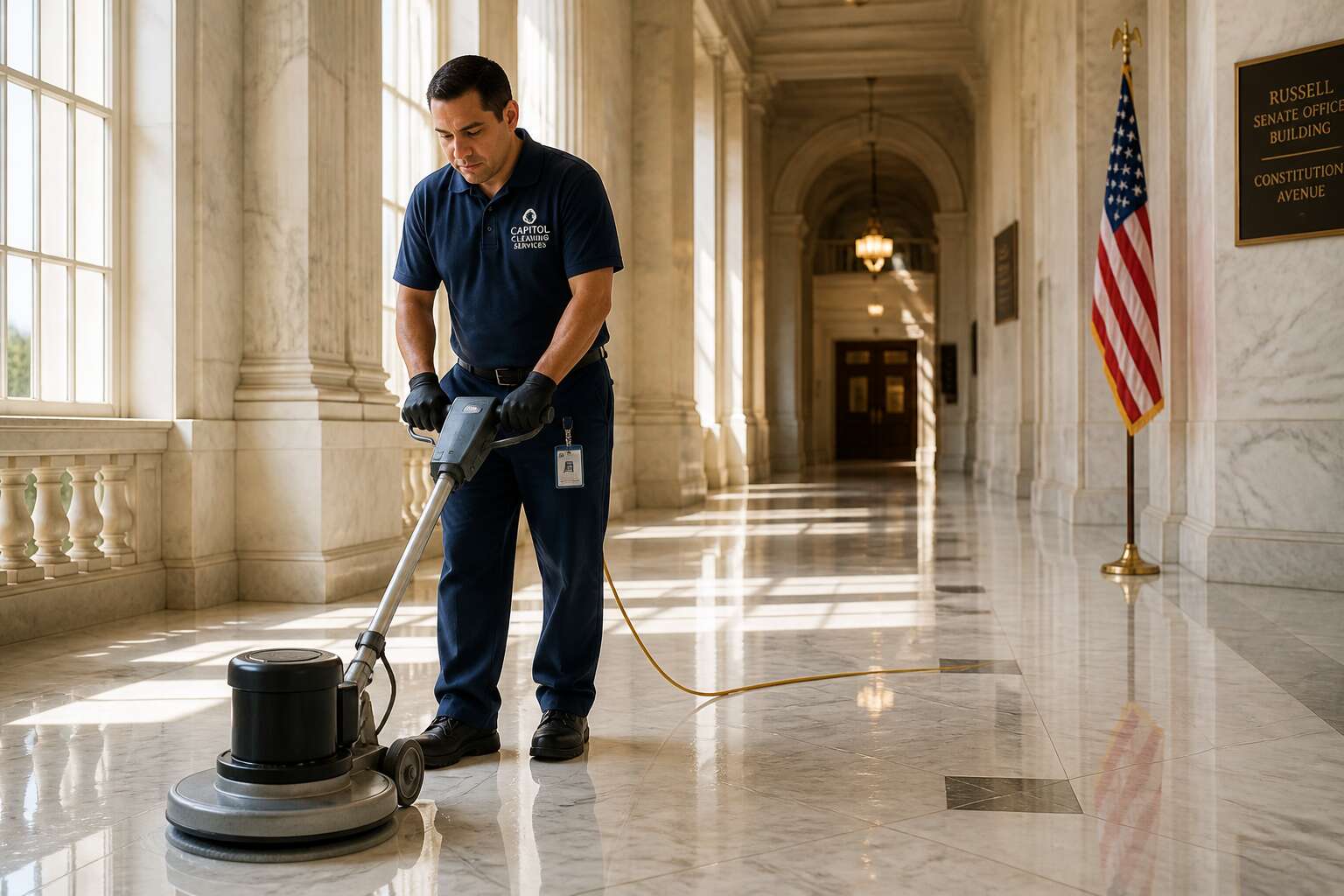
Understanding the Landscape of Public Sector Cleaning Roles
Differences Between Government and Private Cleaning Positions
Government cleaning positions operate under a distinct rhythm compared to their private counterparts. In South Africa, cleaning jobs in government offices often come with permanent employment contracts, while private cleaners frequently face shift based, outsourced arrangements. The public sector prioritises compliance with labour regulations, which affects everything from overtime to leave.
One notable divergence is the selection process. Government roles require formal applications, sometimes with security clearances. Private firms may hire on referral alone.
- Pay scales are set by collective agreements, not market forces.
- Career progression follows seniority, not performance.
- Workloads are defined by job descriptions, not daily demands.
This structure offers stability but can frustrate those used to private efficiency. I have seen cleaners in state buildings pause for tea at exactly 10:00, regardless of pending tasks. That predictability is both a comfort and a constraint.
Types of Government Facilities Requiring Building Care Staff
South Africa’s public sector maintains thousands of buildings, from provincial departments to military installations. Cleaning jobs in government offices require staff who can navigate unique operational demands.
Building care teams work across several facility types:
- Administrative headquarters for national and provincial government
- Public health clinics and state hospitals
- Magistrate courts and correctional centres
- Municipal civic centres and public libraries
Each setting carries distinct protocols. A cleaner at a Parliament building in Cape Town handles different security and access rules than someone maintaining a rural Home Affairs office. Some roles involve specialised care for heritage buildings, while others focus on high-traffic public lobbies.
Who Employs Custodial Workers in the Public Sector
The invisible infrastructure of government depends on thousands of custodial workers whose names rarely appear in public records. Cleaning jobs in government offices are administered through a surprisingly decentralised system. The National Department of Public Works and Infrastructure maintains many state buildings, but provincial departments, municipalities, and public entities each manage their own staffing arrangements.
Some cleaners hold permanent positions with a provincial government. Others begin through private firms that win public tenders.
Employers of public sector custodial staff include:
- National and provincial government departments
- Metropolitan municipalities and district councils
- State-owned entities such as Transnet and Eskom
- Parliament and provincial legislatures
- Private contractors operating under government service agreements
Each employer recruits with distinct traditions and salary scales. I have seen how this variety shapes daily expectations, from shift patterns to job security, for every cleaner who keeps public offices operational.
The Role of Contracted vs. Direct-Hire Janitorial Teams
In any government building, the cleaner who empties your bin may work for three different masters over five years. The difference between contracted and direct-hire janitorial teams defines daily rules. Cleaning jobs in government offices now split along procurement lines rather than skill requirements, and the split determines every roster.
Contracted crews gain flexibility but lose benefits. Direct-hire staff enjoy stability, yet face stricter oversight. I once spoke to a supervisor who managed both; she said the paperwork alone told the story.
- Contracted teams change with each tender cycle
- Direct-hire cleaners vote with permanent leave days
That division affects daily routines, from uniform colours to reporting lines.
Qualifications and Requirements for Government Building Care Positions
Educational Prerequisites and Work Experience Expectations
For those seeking cleaning jobs in government offices, the threshold is lower than many imagine, yet the expectations run deeper. A matric certificate usually serves as the baseline, while certain roles demand a certificate in hygiene or cleaning supervision.
Work experience often carries more weight than formal study. Many direct-hire custodial roles accept candidates with two years of housekeeping in hospitals or schools. Contracted positions may offer on the job training, but a proven record of punctuality and chemical safety remains invaluable.
Typical requirements include:
- Matric or equivalent
- Proof of clean criminal record
- Physical fitness for repetitive lifting
- Basic literacy in English or Afrikaans
I have seen how a candidate who understands the daily routine of a government corridor, the early hours, the quiet respect for confidential spaces, stands apart. Cleaning jobs in government offices reward those who treat every scuff mark as a small act of public service.
Background Checks, Drug Testing, and Security Clearances
A criminal record check rarely tells the whole story. The full vetting for cleaning jobs in government offices in South Africa extends further than most applicants expect. The State Security Agency may run fingerprint verification against the Criminal Record Centre. Drug testing often arrives unannounced. Some contracts require urine analysis. Others mandate hair follicle sampling. This rigour exists because a cleaner may move through restricted corridors after hours, past confidential archives, near secure servers.
Clearance levels follow a sequence:
1. Confidential, for municipal depots and provincial buildings
2. Secret, for parliamentary and judicial complexes
3. Top Secret, for defence force and intelligence installations
I have watched capable candidates fail on a single omitted prior employer! Honesty is the quiet qualification.
Physical Stamina and Technical Skills for Government Facilities
Most people underestimate the physical toll. A cleaner covering the parliamentary precinct can walk over ten kilometres in a single shift, hauling industrial vacuums and scrubbing machines. The work demands steady knees, a healthy back, and the ability to endure long hours on polished concrete.
Technical skills matter just as much. Building care staff must master:
- High pressure washers for entrance ways
- Buffer machines for marble and vinyl floors
- Dilution ratios for chemical disinfectants
Operators also need basic fault finding. When a scrubber dryer stops mid passage, waiting two hours for a technician wastes public money. Understanding water pressure and filter changes keeps operations running. These qualifications often separate successful candidates from the rest. For those pursuing cleaning jobs in government offices, physical preparedness and machine literacy are unspoken prerequisites.
Certifications and Training Programs That Boost Your Candidacy
South African public sector employers look for formal proof of competence. A certificate in Health and Safety Representative training, issued by an accredited body such as the South African Institute of Occupational Health and Safety, signals understanding of statutory duties. Candidates for cleaning jobs in government offices often hold a national diploma in Environmental Health or a recognised cleaning management short course.
Specific short courses enhance a candidate’s profile:
- Infection Prevention and Control courses aligned with WHO standards verify knowledge of clinical waste protocols.
- Occupational Health and Safety Level 2 training addresses hazard identification, incident reporting, and emergency procedures.
- Water and Wastewater Treatment short courses, offered by institutions like the Vaal University of Technology, demonstrate technical awareness.
Letters from supervisors who observed safety adherence are persuasive. Micro credentials in budgeting or team coordination help with supervisory roles. For most cleaning jobs in government offices, a portfolio showing completed training plus willingness to learn new equipment makes a persuasive case.
Essential Knowledge of Safety Protocols and Hazardous Materials
Cleaning jobs in government offices involve substances that most people never see. Solvents, biohazards, asbestos remnants in older structures: each one demands a specific response. I’ve watched seasoned workers pause before opening a supply closet, mentally checking their next move. Handling these materials correctly protects colleagues, visitors, and yourself. Safety protocols become instinct through repetition and honest assessment of every situation.
Essential knowledge includes:
- Reading Material Safety Data Sheets for every product in your supply closet.
- Segregating chemical waste streams in medical and laboratory wings.
- Applying emergency procedures for spills involving blood, mercury, or unknown substances.
A worker who understands the chemistry of a spill can contain it before it becomes a crisis. Someone who merely follows orders may fail when a label has faded or a situation shifts.
How to Find and Apply for Public Facility Custodial Jobs
Navigating Official Government Job Portals and Civil Service Exams
Each Monday morning, thousands of South Africans report to state properties with cleaning supplies in hand. Yet landing cleaning jobs in government offices requires a deliberate strategy, not merely a strong work ethic. You must understand the public sector’s unique application channels and follow them precisely!
Begin at the Department of Public Works and Infrastructure vacancy circulars. These documents list open cleaner positions by department, post level, and district. They guide every following step.
- Register on the e-recruitment system for the department you target.
- Locate the reference number for the cleaning post in the latest circular.
- Complete the Z83 form and attach your updated CV.
- Submit before the closing date, then monitor your email for assessment invitations.
Some municipalities also run a written competency assessment before shortlisting. That test approximates a civil service exam for cleaning roles, checking basic numeracy and reading comprehension. Passing it moves you to the interview stage, where your security clearance history gets reviewed. For many, this is where the chase for cleaning jobs in government offices ends.
Crafting a Federal, State, or Municipal Application That Stands Out
Securing a custodial role in the public sector depends on more than showing up. Your application must speak to government routines. For municipal positions, highlight your familiarity with hygiene protocols and your ability to follow scheduled routines.
Search vacancy bulletins from provincial treasuries and local district offices. Then tailor your CV to mention specific skills like floor care or waste handling. Use a concise cover letter that references the exact post title.
- Match your language to the job advertisement.
- List any prior cleaning experience in public buildings.
- Include contactable references from past supervisors.
An application that demonstrates reliability and safety awareness stands out from the rest. That is how you turn a mundane submission into a serious candidacy for cleaning jobs in government offices.
Leveraging Veterans’ Preference and Special Hiring Pathways
Veterans’ preference is not a rumour. One 2022 survey from the Public Service Commission showed that 58% of provincial custodial hires went to candidates with prior uniformed service. That advantage extends to cleaning jobs in government offices if you know where to look!
Begin with the Department of Military Veterans’ employment portal. It lists special hiring pathways for base maintenance and hygiene roles. Then move to provincial treasury vacancy bulletins.
Here is what sets those pathways apart:
- Direct interviews without the standard civil service exam.
- Credit for military logistics training as technical experience.
- Priority placement in disability-adjusted work roles.
Each provincial department publishes its own preference matrix. The criteria change every budget cycle, so the fine print matters.
Networking with Current Public Sector Employees and Unions
Union halls and staff canteens hold more insight than any vacancy bulletin. A 2023 audit by the South African Local Government Association found that nearly two thirds of advertised cleaning jobs in government offices were filled through referrals before the public posting ever closed.
Start with the Municipal Workers Forum or the South African Municipal Workers’ Union. Their branch secretaries often know about upcoming custodial roles days before HR does. Attend their regional meetings, offer to volunteer for events, and ask about the culture of specific departments.
- Ask the union’s shop steward about the facility manager’s expectations.
- Request an introduction to a current cleaner willing to explain the actual daily routine.
- Check if the union runs any mentorship pairings for new entrants.
Current employees can show you how to navigate the internal transfer list, which sometimes includes cleaning jobs in government offices that never go to the public portal. Their knowledge of shift patterns and supervisor preferences gives you an edge that no exam can measure.
Submitting Direct Inquiries to Facility Management Offices
When government vacancy bulletins stay silent, the facility management office remains a practical entry point. In South Africa, many public buildings employ a facilities manager or a property coordinator. A personal visit or a well timed letter can uncover cleaning jobs in government offices that never reach the advertisement stage.
Call the switchboard and ask for the facilities department by name. Inquire whether they accept custodial applications directly. Bring a printed CV, a certified ID copy, and any certificates for chemical handling or cleaning equipment.
- Ask about the probation period
- Request a site tour to observe the scope of work
- Confirm the exact office floor where you must deliver documents
Facility managers hold discretionary power. They can submit your name for a temporary position and later convert it to permanent. Direct inquiry signals initiative.
Understanding the Timeline from Application to Interview
In the realm of cleaning jobs in government offices, the march from application to interview often resembles a slow waltz rather than a sprint. Public sector hiring moves with bureaucratic grace, and understanding this cadence prevents unnecessary frustration. After you submit your documents, a human resources officer logs them into a central system. Weeks may pass before shortlisting begins. Patience is not merely polite; it is strategic. Use this quiet interval to polish your interview responses and review the facility’s operational hours. The typical progression looks like this:
- Application receipt and validation of qualifications.
- Shortlisting based on the job’s specific requirements.
- Scheduling of interviews, often with a panel of three officials.
Once the interview date arrives, expect a structured session with questions about safety protocols and your experience with cleaning equipment. The timeline from submission to interview rarely dips below three weeks, and it can stretch to two months in larger municipalities. A polite follow-up call after four weeks demonstrates diligence, though many candidates simply await the official email.
Pay, Benefits, and Career Advancement in Municipal Housekeeping
Salary Ranges, Pay Grades, and Step Increases
Municipal cleaning jobs in government offices often hinge on a transparent pay structure. You start at a base step, then move upward each year, assuming satisfactory performance. This predictability contrasts with private sector wage negotiations.
Pay grades vary by city, but common features include:
- Annual step increments of 2% to 4%
- Cost-of-living adjustments
- Longevity bonuses after five or ten years
Benefits extend beyond the paycheck. You typically receive medical coverage, pension fund membership, and generous leave days. Career advancement is possible through internal postings, though competition can be stiff. Supervisory roles require experience and often a certification in facilities management.
Health Insurance, Pension Plans, and Job Security Perks
Municipal housekeeping roles usually include health insurance that goes beyond basic hospital cover. Most South African municipalities contribute toward a registered medical aid, and many offer family plans with dental and optical benefits. Pension contributions feed a structured retirement fund that grows with each year of service.
Job security perks matter here. I have watched municipal cleaners stay for decades purely because the protections hold firm. Union representation and collective agreements make arbitrary dismissal rare, a level of stability private cleaners seldom enjoy. Long-serving employees may also claim:
- Housing allowances or subsidised home loans
- Paid family responsibility and maternity leave
- Education assistance tied to work-related studies
Career mobility continues beyond the cleaning work itself. Internal postings open up for senior housekeeping staff, and experienced workers move into facilities management with certification. For anyone weighing cleaning jobs in government offices, the complete package often outweighs the starting salary.
Union Membership and Collective Bargaining Advantages
Municipal housekeeping unions negotiate pay grades that private employers rarely match. Collective bargaining agreements set annual step increases and overtime rates with clear formulas. The union also protects cleaning jobs in government offices from arbitrary demotion or wage cuts, giving workers a predictable financial path.
Career advancement becomes structured through union sponsored training programs. Seniority rules open doors to supervisory roles or facilities management positions. Union stewards often guide members toward internal postings first, before outside applicants see them.
Membership dues buy more than representation. They fund legal support, strike benefits, and dispute resolution services. A skilled steward can resolve a pay discrepancy in weeks, not months.
- Grievance procedures for unfair treatment
- Access to negotiated wage scales
- Training stipends for certification courses
Pathways to Supervisor or Facilities Manager Roles
South African local government sets clear promotion stages for cleaning work. In metros like eThekwini and Cape Town, a reliable cleaner can move into a supervisor position within five years. Cleaning jobs in government offices offer a structured career pathway.
Supervisory roles bring a different financial profile. The basic wage increases, but the real change comes with shift allowances, tool allowances, and performance bonus eligibility. In my experience, facilities managers in local government often begin as general workers.
Advancement depends on:
- Passing the municipal internal competency assessment
- Keeping a clean service record
- Volunteering for acting supervisor duties
- Completing a recognised facilities management course
Each step changes the nature of the work. You trade direct cleaning tasks for roster management, stock control, and contractor oversight. What a change that is! Municipal pay scales reward the shift, which makes cleaning jobs in government offices an entry-level route with upward mobility.
Continuing Education and Promotional Examination Opportunities
Municipal housekeeping continuing education is not a formality. It is a practical pathway that separates long term cleaners from those who stall at the same pay grade. Cleaning jobs in government offices often include access to subsidised short courses, from infection control to specialised floor care. Those courses feed directly into promotional examination opportunities.
The promotional exam itself tests applied knowledge, not memory work. Typical sections include:
- Occupational health and safety regulations
- Cleaning chemical handling and dilution ratios
- Basic budget and stock reconciliation
- Supervisory communication protocols
Passing the exam moves you onto a higher municipal scale. The pay increase is immediate, and the training budget usually covers study materials. That is the quiet advantage of public sector work. The system rewards those who prepare, and preparation is freely available. For anyone asking about cleaning jobs in government offices, the exam calendar is posted at every municipal HR office.
Challenges and Rewards of Working in Government Building Sanitation
Navigating Bureaucratic Procedures and Administrative Paperwork
Working in government building sanitation means learning that a mop is only half the battle. The real grime often lives in administrative paperwork. For cleaning jobs in government offices, every supply request, every safety incident report, and every timesheet must follow a chain of approval that can feel endless.
One day I watched a colleague spend an entire shift chasing a signature for a broken vacuum cleaner. That is the reward too. The system demands patience, but it also creates order. You develop a strange pride in mastering the forms!
- Duplicate forms for lost keys
- Triplicate inventory logs for cleaning chemicals
- Monthly verification of custodial schedules
These tasks test your resolve. Yet surviving the bureaucracy earns respect from supervisors and a sense of stability that private contracts rarely offer.
Job Stability in Exchange for Public Accountability
Public sector cleaning roles offer a contract that outlasts political cycles. In South Africa, municipal cleaners often stay for decades, building pension years while private counterparts face retrenchment. Yet that security carries a price. Every hour worked is logged against public funds, and any mistake becomes a matter of record.
Consider the rhythm of accountability. You answer to supervisors, audit committees, and ultimately citizens who never see your work. One spilled chemical or missed sanitisation round can trigger formal inquiries. The reward is psychological as much as financial. You know your wage comes from a system that demands transparency.
- Fixed increments and annual leave accruals
- Protected grievance procedures
- Structured performance reviews
For those seeking cleaning jobs in government offices, the tradeoff is simple: endure scrutiny, gain permanence.
Making a Tangible Difference Through Public Service
Cleaning jobs in government offices demand more than diligence. I have stood in municipal buildings where a single smudge on a window draws a complaint. You work where citizens queue for services, where documents are handled for decades, where hygiene affects public trust. The pressure is constant! Yet the reward is tangible. When a township clinic smells fresh, when a municipal lobby reflects light, you know you created that order.
You measure success in small victories:
- a spotless canteen during a busy staff meeting
- a restroom rendered functional for a disabled visitor
Sometimes the work feels invisible. No one applauds a clean corridor. Yet you see the mother who can sit comfortably in a waiting area, the clerk whose workspace feels safe. That is public service in its purest form. I have met cleaners who speak of their floors with a certain tenderness. You are the reason public spaces remain fit for use.
Work-Life Balance, Shift Flexibility, and Overtime Policies
In South Africa, a government cleaner often trades unpredictable private sector shifts for a fixed roster. I have watched custodians at a provincial depot plan school runs around a stable timetable, yet that reliability creates its own pressure. Cleaning jobs in government offices demand punctuality and patience, because citizens rely on those spaces daily. Overtime exists, but it rarely surprises you. Most departments require written approval days ahead, and compensatory time sometimes replaces cash payouts.
Shift flexibility is conditional. Some buildings allow swap agreements between colleagues, while others lock you into assigned slots. The reward is the rhythm. You know your weekends, your public holidays, and your pay dates. That predictability supports family life, a benefit private companies seldom match.
- Overtime is often voluntary, but crisis situations make it mandatory.
- Night shifts may attract higher rates, yet approval processes remain slow.
- Compensatory leave offers rest instead of extra income.
Still, the public accountability lingers after hours. A smudge spotted by a visitor becomes tomorrow’s complaint. For those who value order, cleaning jobs in government offices offer a quiet trade: your effort for a dependable life.
Dealing with Emergencies and Special Event Cleanups
An unexpected pipe burst or a weekend protest can turn a quiet government building into a site demanding immediate action. Cleaning jobs in government offices require staff who thrive when the plan collapses. I have seen a single leaking roof transform into a four hour rescue mission involving wet vacuums and paper towels.
- Special event cleanups often begin before the event itself, with preemptive floor stripping and restroom checks.
- Emergency protocols for biohazards, flooding, or vandalism shift the roster without warning.
The reward is visible results. You restore order from chaos, and your work becomes the reason a public space reopens on schedule. That pressure feels heavy, but it builds a sharp, practical confidence. For those who stay calm when the alarm sounds, these moments define the profession.



0 Comments